~2人の盲人をいやす~ Heal two blind people [Matthew 20:29-34]~
今日はプライベートでいろいろあって、本当に久しぶりのマタイのデボーションになります。
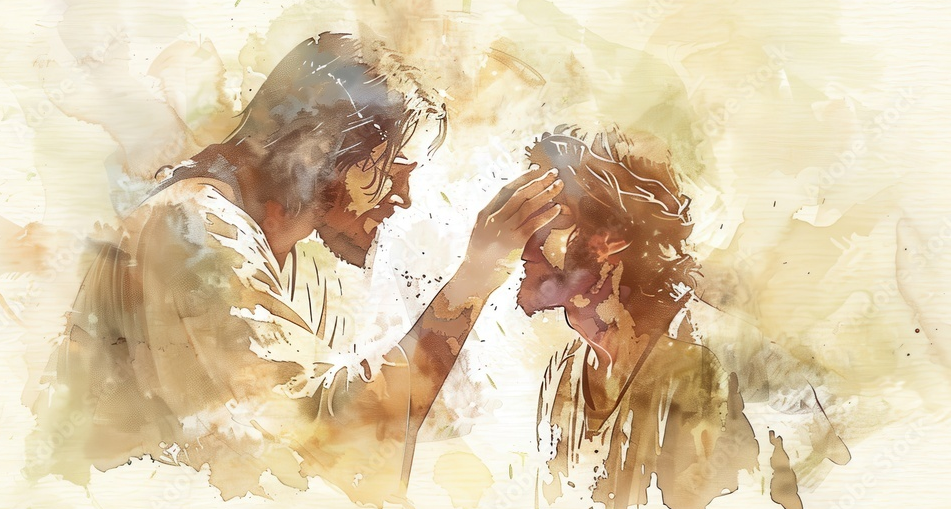
イエス様がいよいよ十字架に掛かられるためにエリコの町からエルサレムへ向かう途中、ここでもまた大勢の群衆がイエス様に従いました。
そこに、盲目の2人が道端に座っていました。この2人はイエス様のことを噂で知っており、イエス様が神でありメシアであり、病気を癒されることを心底から信じていました。
この当時、盲目の人たちは家族からも見捨てられ、仕事もできず、生きていくためには物乞いのようにして人々からの施しによって日々の食べ物や生活に必要な糧を得ていたそうです。
そのように彼らの人生は惨めで虐げられていたため、彼らはイエス様がそばを通ったと聞いた途端、大声で泣きながら「主よ、ダビデの子よ、私たちを憐れんでください!」と死に物狂いで叫びました。このチャンスを逃すと二度と彼らには目を癒される機会が訪れない、と思ったに違いありません。
群衆は彼らが大声で叫ぶので𠮟りつけて黙らせようとしました。彼らが盲目なのは先祖からの罪や本人の罪のせいだ、彼らにはイエス様からの憐みを受ける資格などない、というほどの差別や偏見があったからです。
しかし愛であり憐れみ深いイエス様は「何をしてほしいのか」と優しく彼らに問いかけ、彼らの目に優しく手で触れ、彼らの視力を回復されたのです。なんと胸の震えるような、美しい光景でしょうか。
さて、翻って、私は彼らのように死に物狂いで必死に主に祈り求めることができるだろうか?という疑問がまず湧きました。
おそらく彼らのように虐げられたり、迫害されたり、重い病気にかかったり、差別されたり、愛する人と離別するなどの経験が降りかかった場合はもしかしたら私もこの盲人のように必死に主を求めて祈れるかもしれません。
しかし、一番怖いのは、霊の目が盲目であるとき、私はこのように切に祈れるか?という点です。何故なら霊の目が盲目であることはなかなか自分では自覚できないし、気付けないからです。でも一番恐ろしいのは霊的に盲目であることです。
これに気付かせていただくために、私たちは毎朝、罪を示してください、霊の目を開いてください、というようにやはり必死で祈る必要があると考えます。
まだ多くの人々の霊の目は盲目のままです。それを知らせて差し上げるのが私たちクリスチャンの伝道ということになります。
今日の話を改めて読んで、伝道の意義と大切さを改めて思いました。
Today is Matthew's devotion for the first time in a long time because of a lot going on in my personal life.
On the way from the city of Jericho to Jerusalem for Jesus to finally be crucified, again a large crowd followed him.
There, two blind people were sitting by the side of the road. These two people knew about Jesus from rumors, and they truly believed that he was God and the Messiah, and that he could heal diseases.
In those days, blind people were deserted by their families, and they could not work. In order to survive, they begged like beggars to get food and sustenance from people's alms.
Their lives were so miserable and oppressed that as soon as they heard that Jesus had passed by them, they cried out in a loud voice and screamed, "Lord, son of David, have pity on us!". They must have thought that if they missed this chance, they would never get another chance to heal their eyes.
The crowd tried to silence them as they shouted loudly because they were blind because of the sins of their ancestors and their own sins, and they were discriminated against and prejudiced to the extent that they did not deserve Jesus' kindness and mercy.
But the loving and compassionate Jesus gently asked them, "What do you want me to do?" He gently touched their eyes and restored their sight. What a beautiful sight that makes my heart tremble.
Now, can I, like them, pray desperately to the Lord? This question first arose to me.
Perhaps if I were to experience oppression, persecution, severe illness, discrimination, and separation from my loved ones like they did, perhaps I could pray desperately to the Lord like this blind men.
But the scariest thing is, when the eyes of a spirit are blind, can I pray this earnestly? That's the point. That's because it's hard for us to realize that the eyes of a spirit are blind. The scariest thing is that we are spiritually blind.
In order for us to realize this, I think we need to pray desperately to show our sins and open the eyes of a spirit first thing in the morning every day.
Many people still have blind eyes toward spirit of God. Our Christian mission is to let people know this.
When I read today's story again, I realized the significance and importance of evangelism.
~誰がキリストの一番近くに立つか~ Who stands closest to Christ? [Matthew 20:17-28]~
今日の箇所はイエス様がぶどう園の労働者たちのたとえを話した後、いよいよエルサレムの十字架へ向かう最後の旅をするところから始まります。

イエス様は弟子たちに以前からも伝えていましたが、よりいっそうはっきり「私はこれから裏切られ、苦難を受け、十字架の死につくが、3日目には復活するだろう」と明確な言葉で弟子たちにお伝えになりました。しかしこの時も弟子たちはそれが何を意味するかは分かっていませんでした。
そんな中、弟子の兄弟(ヨハネとヤコブ)の母が、2名を天での重要な位置につかせてほしいとイエス様に懇願しました。彼らは何もかも捨てて一番にイエスの弟子となり、母も熱心な信者だったとのことです。これを聞いて他の10名の弟子たちは憤慨しました。
しかし、イエス様は憤慨することなく、諭してその母に「あなたがたは私がこれから飲む杯(苦難)を飲むことができるか?」と尋ねられました。
その時のイエス様のご様子について証の文(各時代の希望、第60章 新しいみ国の律法)では下記のように描写されています。
イエスは、兄弟たちよりも有利な立場を占めたいという彼らの利己心を責めないで、彼らのことをやさしく忍耐される。イエスは彼らの心を読まれ、彼らが深く主を慕っていることをお知りになる。彼らの愛はただの人間的な愛ではない。それは、人間の世俗的な水路によってよごれてはいるが、主ご自身のあがないの愛という泉から湧きあふれたものである。主は責めないで、それを深くし、清められる。
ここに書かれているイエス様の品性について、私はおおきな主の憐みと感動を覚えずにはいられません。
この箇所についてはこの母親のことを「世俗的な野心ある心、母親の子供だけ良くしてほしいという人間的な愛情」と解釈していましたが証の文を改めて読むとイエス様はそうは受け止めておられなかったのです。そのことは私にとっても大きな気づきとなりました。
そのあとイエス様は「偉くなりたいと思うものは仕えるもの、僕とならなければならない」と続けられます。それが天の国での法則だからです。
また、誰がキリストの一番近くに立つか?について証の文ではこのようにも書かれています。
キリストの一番近くに立つ者は、この地上においてキリストの自己犠牲的な愛、すなわち、「高ぶらない、誇らない、……自分の利益を求めない、いらだたない、恨みをいだかない」ところの愛、また主の心を動かしたように、人類を救うために死にいたるまで、すべてを献げ、生き、働き、犠牲を払うように弟子の心を動かすところの愛、——そうした愛の精神を最も深く飲んだ者である(Ⅰコリント13:4、5)
あらためて、日々このような愛と品性でイエス様に覆っていただけるように、杯を飲める準備ができるように、求め続け祈りたいと思います。
Today's passage begins with the parable of the vineyard workers and their final journey to the cross in Jerusalem.
Jesus told his disciples before, but he told them more clearly "I will now be betrayed, I will suffer hardship, I will die the death of the cross, but on the third day I will be resurrected." But again, they did not know what this meant.
Meanwhile, the mother of one of the disciples' brothers, John and James, begged Jesus to give them important positions in heaven. They were the first disciples of Jesus, and her mother was a devoted believer also. Hearing this, the other 10 disciples were indignant.
But Jesus was not indignant, but admonished his mother and asked her, "Can you drink the cup I am about to drink?."
This is how Jesus was described in the testimony (Desire of the Ages, Chapter 60. The New Law of Nations):
Jesus does not reproach them for their selfishness to gain an advantage over their brothers, but is gentle and patient with them. He reads their hearts and knows that they are deeply attached to the Lord. Their love is not just human love. It springs from the fountain of the Lord's own tender love, though it is tainted by the worldly channels of man. He does not condemn, but deepens and purifies it.
I cannot help but feel the great love and sensitive emotion of the character of Jesus described here.
In this passage, I interpreted this mother as "worldly ambitious mind, a mother's human affection for her sons" but when I read the testimony again, I realized that Jesus did not take it that way. It was a great realization for me.
After that, Jesus continued, "Those who want to be great must be a servant." Because that is the law in the kingdom of heaven.
And who stands closest to Christ? The Testimony also says:
He who stands closest to Christ is the one who has most profoundly drunk the self-sacrificing love of Christ here on earth, the love that "No pride, no arragance ...... no self-interest, no irritation, no resentment" and the love that moved the heart of the Lord as well as moving His disciples to give, live, work, and sacrifice everything to save mankind, even to death. (I Corinthians 13:4, 5)
I just ask and pray that I will be covered with this kind of character and this kind of God’s love every day.
~ぶどう園の労働者のたとえ Laborers in the Vineyard [Matthew 20:1-16]~
今日は前回からの続きで、「先のものがあとになり、後にくるものの多くが先になる」とイエス様が述べた後に続く有名なたとえ話になります。

まずこのたとえ話は「天の国」のことで、「この世」のことではないといっています。
また話の中のたとえは以下のようになるといわれています。
・ぶどう園の主人:父なる神様(イエス様)
・ぶどう園:イスラエル(=天の国)
・先に雇われた労働者:イスラエル人(=主人の招きに応じた神の民、先のもの)
・最後に雇われた労働者:異邦人(=主人の招きに応じた神の民、後にくるもの)
この話には天の父なる神がどのような方か?が以下のように説明されています。
①明け方も含めて1日5回も職のない労働者を直接自ら探し、スカウトされる方。(さまよえる羊を直接神がピックアップし、1人1人救いに誘ってくださる)
②イスラエル人などの民族の枠を超え、異邦人全体をスカウトされる方。
③契約を守る方(それぞれの労働者に1デナリと約束した賃金を正確に支払う)
④驚くほど気前のよい方(先のものである1日9時間働いた人と、後のものである1日1時間働いた人と同じ賃金を支払う!)
①②については神の愛そのもので、真実です。私も同じく日本人として声をかけられた者だからです。この声掛けに従うか従わないかがすべての運命を決定します。神からの声掛けかと思ったら、どうか、その声にまっすぐ従ってほしいです。最後にイエス様と共に十字架にかけられた悪人も、このイエスの声掛けに応じたために救われ、神の共働者として天の国に入る契約が彼の死の直前に成立しました。またこの契約はこの世でしか成立しません。この世にいるときに神と労働契約を結ぶ必要があります。
③についてはこの世でも同じ契約社会のルールがあります。ですので納得できます。長く働いた労働者は自分の契約で決められた賃金に対して雇い主に文句を言うことはできません。しかし、④については彼も到底納得できなかったポイントです。はじめは私も同じく思っていました。神様は「不公平だ」と。この世ではありえないことです。しかし、ここが天の国とこの世との大きな違いになります。しかし、この点においてこそ神が「私たちを行いで評価されないお方」であることがはっきりします。ここはおさえておく重要なポイントです。この世では経験や努力した時間が長いほど評価されます。当たり前のことです。バイトでも時給制をとっています。でも神様の労働者は違うのです。時給ではなく、「神のために働きたい」と思った意思を示したものには、同様の賃金が与えられるのです。これは本当に素晴らしい事実です。救いが「ただ主人の恵みと憐みだけ」で行われる、ということを顕著に説明しています。夕方5時に雇われた労働者は5時まで必死で仕事を探していたかもしれず、そのような人の苦悩も含めて憐みと恵みを与えてくださる方です。人の行いや技に応じて救われるのではないのです。クリスチャン生活の長さに関わらず同じ救いが与えられます。ここに感動があります。ここが他の宗教と違うところです。
今、神様は午後5時の労働者を探しておられます。世の終わりが迫っているからです。まだ救いにあずかっていない人を神とともに私たちも探し、声をかけたいと思います。
Today we continue from the previous episode with a famous parable after Jesus said, "
What comes first comes later, and most of what comes later comes first."
First, the parable is about the kingdom of heaven, not this world.
Also, the parable in the story is said to be as follows:
・Owner of the vineyard: God the Father (Jesus)
・Vineyard: Israel (kingdom of heaven)
・First hired worker: Israeli (= The people of God who accepted the invitation of their masters, the former ones)
・Last hired worker: Gentile (= People of God who accepted the invitation of their master, and those who came later)
This story explains who God the Heavenly Father is. It goes like this:
① Who searches directly for and scouts workers who are jobless five times a day, including at dawn. (God directly picks up the wandering sheep and invites them to rescue one by one.)
② Who scouts entire gentiles, beyond ethnic boundaries such as Israelis.
③ Who keeps the contract (pays each worker exactly one denarii as promised).
④ Who is surprisingly generous (Pay the same wages as those who worked nine hours a day, the earlier one, and just one hour a day, the later one!).
Regarding ①②, it is God's love, and it is true. This is because I am also a Japanese who was spoken to. Whether or not you obey this call determines your fate. If you think it is a call from God, please follow it straight. Finally, the wicked man who was crucified with Jesus was saved because he answered this call from Jesus, and the contract to enter the kingdom of heaven as a partner of God was established just before his death. Also, this contract is established only in this world. You need to sign a labor contract with God while you are in this world.
Regarding③, the same contract society rules apply in this world. So it makes sense. A long-time worker cannot complain to his employer about the wages set by his contract. But ④ is something he couldn't agree on. At first, I thought the same thing. God is unfair. It's impossible in this world. But this is the big difference between heaven and this world. But this is the point where it becomes clear that God doesn’t judge us for what we do. This is an important point to keep in mind. In this world, the more experience we have and the more time we put in, the more we are judged. It's obvious. Even part-time workers are paid hourly. But God's workers are different. Instead of being paid hourly, those who show a willingness to work for God will receive the same wage. This is a really amazing fact. It makes it clear that salvation comes from the grace and mercy of the master. A laborer who is hired at 5:00 pm in the evening may have been desperately looking for his job until 5:00. God is the one who gives grace and mercy to the suffering of such a person. Worker is not saved according to his deeds or skills. No matter how long you have been a Christian, you Christian will receive the same salvation. This is where I am moved. This is where Christianity is different from other religions.
Now God is looking for a 5:00 pm worker. Because the end of the world is coming. Together with God, we want to find and call out those who have not yet been saved around me.
~金持ちの青年と天の国について ③The Rich and the Kingdom of God [Matthew 19:23-30]~
今日の箇所は、金持ちの青年が自分の巨万の富のほうを選び、悲しみながらイエスから去っていったシーンの続きからです。今回も、エレン・G・ホワイトのキリストの実物教訓(第28章 恵みの報い)の引用から、イエス様の示唆に富んだ教えと弟子たちの心境をじっくり読んでいきたいと思います。( )は私のコメントです。

■■
「イエスは更に言われた、『子たちよ、神の国にはいるのはなんとむずかしいことであろう。富んでいる者が神の国にはいるよりは、らくだが針の穴を通る方が、もっとやさしい』。すると彼らはますます驚い」た。彼らは、この厳粛な警告の中に、自分たちも含まれていることを自覚した。救い主のこの言葉によって、彼ら自身の心の中に権力と富に対するひそかな願いがあったことが明らかにされた。彼らは心配になって、「それでは、だれが救われることができるのだろう」と叫んだ。「イエスは彼らを見つめて言われた、『人にはできないが、神にはできる。神はなんでもできるからである。』」
(弟子の心の中も深く探るようなイエス様の鋭いたとえではないかと思います。全財産を差し出すことは人には出来ない、とイエス様がおっしゃっているのでどんな人であっても、それは不可能な事なのでしょう。)
「あなたがたは、もはや自分自身のものではないのである。あなたがたは、代価を払って買いとられたのだ」という聖霊の言葉は、貧しい者に対すると同様に富んだ者にも語られたのである(Ⅰコリント6:19、20)。人々がこれを信じる時、彼らの所有物は、神からの委託物とみなされるようになり、神の指示に従って、失われた魂の救いのためや、苦しんでいる人や貧しい人を慰めるために用いられるようになる。人の心は地上の宝に執着するから、こうしたことは人にはできないことである。富にとらえられている魂は、人間の欠乏の叫びを聞く力を失っている。しかし、神には、すべてのことが可能である。
(パウロの例のようにキリストの愛に触れて180°変えられた人は、キリスト以外のものを塵とみなすほどになります。神の力はこのような力です。)
救い主の言葉によって受けた心の強い感銘から、まず最初に我に帰ったのはペテロであった。ペテロは、自分と兄弟たちがキリストのために捨てた物のことを満足げに考えた。ペテロは「ごらんなさい、わたしたちはいっさいを捨てて、あなたに従いました」と言った。そして、若い役人に与えられた「そうすれば、天に宝を持つようになろう」という条件つきの約束を思い起こして、ペテロは、自分や兄弟たちがその犠牲の報いとして、何を受けるであろうかとたずねたのである。
救い主の答えは、これらのガリラヤの漁夫たちの心をおどらせた。それは、彼らの最高の夢の栄えある実現を描いたものであった。「よく聞いておくがよい。世が改まって、人の子がその栄光の座につく時には、わたしに従ってきたあなたがたもまた、12の位に座してイスラエルの12の部族をさばくであろう。」イエスはなお続いて、「おおよそ、わたしの名のために、家、兄弟、姉妹、父、母、子、もしくは畑を捨てた者は、その幾倍もを受け、また永遠の生命を受けつぐであろう」と言われた。
しかし、「ついては何がいただけるでしょうか」というペテロの質問は、そのまま改めないでおくならば、弟子たちをキリストの使者とするのにふさわしくない精神、すなわち、雇い人根性をあらわしていた。イエスの愛に引き付けられていたとは言っても、弟子たちは、まだパリサイ主義から完全に解放されていなかった。彼らは、まだ、働きに相当した報いを受けるという考えのもとに働いていた。彼らは、自己高揚と自己満足の精神をいだいて、お互いに比較し合っていた。だれかが、何かの失敗でもすると、他の者は、優越感にひたっていた。
(ペテロのキリストの弟子らしくない質問に対し、イエス様はまず彼らを喜ばせるご回答をこの時点でされたところが私にとっては少し以外でした。しかし次にぶどう園の労働者のたとえが始まるので、ここでしっかりとイエス様は弟子がもつべき精神についてお教えになる予定だったのですね。)
■■
マタイには本当に多くのイエス様の教えが出てきます。1つ1つ本当に私たちにとって必要な教えです。今日のペテロの質問にも反映されていた通り、神様は私たちが神のために何をしたのか、またどれほどしたかを見ておられるというより、何か決めたりする時の精神や心を見ておられるのではないかと改めて思います。神様との関係は駆け引きやGive & Takeというものではなく、「~せずにはいられない」という互いの自発的な心の関係性であるべきと思います。
Today's passage is a continuation of a scene in which a rich young man chose his great wealth and departed from Jesus in sorrow. I would like to read again about the thought-provoking teachings of Jesus and the feelings of the disciples by quoting Ellen G. White's The Real Lesson of Christ (Chapter 28: The Rise of Grace). () is my comment.
■■
"Jesus further said, "My children, how hard it is to enter the kingdom of God! It is easier for a camel to go through the eye of a needle than for the rich to enter the kingdom of God." And they were even more surprised." They realized that they were included in this solemn warning. These words of the Savior revealed that they had a secret desire for power and wealth in their own hearts. They became anxious and cried, "Then who can be saved?". "Jesus looked at them, and said, "Man can't do it, but God can. For God can do anything.""
(I think it is a sharp parable of Jesus that deeply explores the disciple's heart. Jesus said that no man can give all his wealth, so no man can do that.)
The words of the Holy Spirit, "You are no longer your own. You were bought at a price." were spoken to the rich as they were to the poor (I Corinthians 6:19, 20). When people believe this, their possessions come to be regarded as consignments from God, and they come to be used as directed by God for the salvation of lost souls and for the comfort of the afflicted and needy. This is something that men cannot do, because their hearts are attached to earthly treasures. The soul, caught in wealth, is powerless to hear the cries of human want. But with God all things are possible.
(A man who, like Paul, has been changed 180°by the love of Christ, will consider other things as dust. The power of God is this power.)
It was Peter who first came to himself from the strong impression of the Savior's words. He thought with satisfaction of what he and his brothers had given up for Christ. Peter said, "Behold, we have forsaken everything and obeyed you." And recalling the conditional promise given to the young official, "Then you will have treasure in heaven." Peter asked what he and his brothers would receive in return for their sacrifice.
The Savior's answer moved the hearts of these Galilean fishermen. It depicted the glorious realization of their highest dream. "Listen carefully. And you who have followed me will also sit on 12 thrones, judging the 12 tribes of Israel, when the world is established, and the Son of Man is seated on his glorious throne." continued Jesus, "For the sake of my name, he who forsakes house, brother, sister, father, mother, son, or field, shall receive many times more, and shall receive eternal life."
But Peter's question, "What can I have for you?," if left unaltered, showed a spirit unfit to make the disciples messengers of Christ: employee-ness. Although attracted by the love of Jesus, the disciples had not yet fully liberated themselves from Pharisaism. They were still working with the idea that they would be rewarded for their work. They compared each other with a spirit of self-exaltation and self-satisfaction. When one of them made a mistake, the others felt superior.
(To Peter's undisciple-like question, Jesus gave an answer that was pleasing to them first, which was very unexpected for me. But then the parable of the laborer of the vineyard begins, and here Jesus was going to teach the spirit that disciples should have.)
■■
There are so many teachings of Jesus in Matthew. Each one is really necessary for us. As Peter's question today reflected, I think again that God is looking not so much at what we have done for Him, and how much we have done, but at the spirit and heart when we make decisions or doing something for God. I think that our relationship with God should not be a game of bargaining or give and take, but rather a spontaneous relationship between our hearts that we can't help but...
~金持ちの青年と天の国について ② The Rich and the Kingdom of God [Matthew 19:13-22]~
今日も前回からの続きの、「金持ちの青年と天の国」のお話です。エレン・G・ホワイトのキリストの実物教訓(第28章 恵みの報い)を引用しながら見ていきたいと思います。
( )は私のコメントです。

■■
「もしあなたが完全になりたいと思うなら、帰ってあなたの持ち物を売り払い、貧しい人々に施しなさい。そうすれば、天に宝を持つようになろう。そして、わたしに従ってきなさい」と、キリストは言われた。「この言葉を聞いて、青年は悲しみながら立ち去った。たくさんの資産を持っていたからである。」
自分を愛する者は、律法を犯す者である。イエスは、このことを青年に示そうと望んで、彼の心の中の利己心をあらわすテストをお与えになったのである。イエスは、彼の品性の病気になっている所をお示しになった。青年は、それ以上、啓発されることを望まなかった。彼は、心に偶像を持っていた。この世が、彼の神であった。彼は戒めを守っていたと公言はしたけれども、すべての戒めの精神と命である原則に欠けていた。彼は、神と人に対する真の愛を持っていなかった。これがないことは、天国に入るにふさわしい者とするすべてを、彼が欠いていたことを示したものであった。彼は、自己を愛し、世の利益を愛していたから、天の原則と調和していなかった。
(自己愛については十戒に書かれていません。十戒には神を愛すること、隣人を愛することが書かれています。神を愛せば、おのずと隣人を愛することができ、神の愛に完全に満ちていれば自己愛という認識自体が究極的にはなくなるのではないか?と思っています。)
この若い役人が、イエスのところへ来た時、彼の真実さと熱心さに、救い主は心を引かれた。「イエスは彼に目をとめ、いつくし」まれたのである。主は、この青年が、義の説教者として奉仕する可能性を持っているのをごらんになった。彼は、イエスに従った貧しい漁夫たちをお受けになったのと同様に、この才能あるりっぱな青年をも、喜んでお受けになったことであろう。もしもこの青年が、救霊の働きにその才能をささげたならば、彼はキリストのために勤勉に働いて、成功をおさめる働き人となったことであろう。
しかし、彼は、まず第一に、弟子となる条件を受けいれなければならなかった。彼は、神に全くおのれをささげなければならなかった。救い主の召しを受けた時に、ヨハネ、ペテロ、マタイおよびその仲間の者は、「いっさいを捨てて立ちあがり、イエスに従ってきた」のである(ルカ5:28)。これと同じ献身が若い役人に要求されたのである。そして、この点において、キリストは、ご自身がなさったよりも大きな犠牲を、ご要求になったのではない。「主は富んでおられたのに、あなたがたのために貧しくなられた。それは、あなたがたが彼の貧しさによって富む者になるためである」(Ⅱコリント8:9)。青年は、ただキリストのお導きに従いさえすればよかったのである。
(弟子になる条件がはっきり書かれています。イエスを救い主として認識することではじめて、全くおのれを捧げることを選択することが出来るのだと思います。彼はその認識がこの時点でまだはっきりと出来てはいなかったのかもしれません。)
キリストは、青年をながめ、彼の魂を引きつけようと望まれた。主は、彼を祝福の使者として、人々の所へつかわそうと熱望された。捨てるように言われた物の代わりに、キリストは、ご自分との交わりという特権を、この青年に提供なさったのである。「わたしに従ってきなさい」と主は言われた。ペテロ、ヤコブ、ヨハネは、この特権を喜びとみなしたのである。この青年自身も、キリストを尊敬の念を持ってながめた。彼の心は、救い主に引き付けられた。しかし、救い主の自己犠牲の原則を受け入れるまでにはなっていなかった。彼は、イエスを選ぶよりは、富の方を選んだ。彼は、永遠の命を欲したけれども、ただ1つの生きる道である無我の愛を、魂の中に受けいれようとせずに、悲しみつつ、キリストから去っていった。
■■
このような背景をすべて理解してこの話を改めて考えたとき、結論は本当に悲しいなぁ。と思います。イエス様も彼に弟子としての可能性を見出していて、期待して、彼の病気を気づかせようとされていたからです。確かに、ペテロ達と比べて彼は捨てるものがはるかに大きいことも理解できます。しかし、キリストとの交わりの特権、救いと比較したら彼の財産や地位は米粒ほどの小さな存在なのだと思います。改めて、神と富とは両方手に入れることができず、富を握りしめたままでは弟子入りすらできないことを改めて学ばされました。
Today is another story from last time, Rich Young Man and the Kingdom of Heaven. I want to look at it by quoting Ellen G. White's The Real Lesson of Christ (Chapter 28: The Rise of Grace).
( )is my comment.
■■
"If you want to be perfect, go home and sell your possessions and give to the poor. Then you will have treasure in heaven. And follow me" said Christ. "At these words the young man went away with sorrow. Because he had a lot of assets."
Whoever loves himself is a lawbreaker. Jesus wanted to show this to the young man and gave him a test of selfishness in his heart. Jesus showed him where his character was sick. The young man wanted no more enlightenment. He had idols in his heart. This world was his God. Although he professed to have kept the commandments, he lacked the spirit of all the commandments and the principles that were life. He had no true love for God and man. This absence showed that he lacked all that made him fit to enter heaven. He was out of harmony with the principles of heaven because he loved himself and loved the good of the world.
(Self-love is not mentioned in the Ten Commandments. The Ten Commandments say to love God and love your neighbor. If you love God, you will naturally love your neighbor, and if you are fully filled with God's love, the perception of self-love itself will ultimately disappear. I think.)
When this young official came to Jesus, his truthfulness and eagerness attracted the Savior. The Lord saw that this young man had the potential to serve as a preacher of righteousness. He would have gladly received this gifted and handsome young man as he received the poor fishermen who followed Jesus. If this young man had devoted his talents to the work of the Spirit, he would have become a diligent and successful worker for Christ.
But first of all, he had to accept the condition of being a disciple. He had to give himself completely to God. At the call of the Savior, John, Peter, Matthew, and their companions "having given up everything, rose up and followed Jesus" (Luke 5:28). This same devotion was required of young official. And in this regard, Christ did not demand a greater sacrifice than his own. "For you your Lord became poor, though He was rich. so that you may become rich through his poverty." (II Corinthians 8:9). All the young man had to do was to follow Christ's lead.
(The conditions to become a disciple are clearly written. I think it is only when we recognize Jesus as our Savior that we can choose to dedicate ourselves completely. He may not have been able to clearly understand that at this point.)
Christ looked at him and hoped to attract his soul. The Lord was eager to send him to the people as a messenger of blessing. Instead of what he was told to throw away, Christ offered the young man the privilege of fellowship with Himself. "Follow me," said the Lord. Peter, James, and John saw this privilege as a joy. The young man himself looked upon Christ with respect. His heart was drawn to the Savior. But he had not come to accept the Savior's principle of self-sacrifice. Rather than choosing Jesus, he chose wealth. He wanted eternal life, but he did not accept in his soul the only way to live, selfless love. He departed from Christ in sorrow.
■■
When I reconsider this story with all this background, the conclusion is really sad. I think. Jesus also saw in him the possibility of becoming a disciple, and he hoped to make him aware of his illness. Certainly, I understand that he has much more to give up than Peter. But I think his wealth and status are the size of a grain of rice compared to the privilege and salvation of fellowship with Christ. Once again, I learned that God and wealth cannot both be obtained, and you cannot even become a disciple with wealth in your grasp.
~金持ちの青年と天の国について ① The Rich and the Kingdom of God [Matthew 19:13-22]~
今日の箇所はイエス様の元に来た青年とイエスとの、救いの方法についての具体的な会話が展開されるシーンになります。エレン・G・ホワイトのキリストの実物教訓(第28章 恵みの報い)で非常に鮮やかに、ものの見事に青年の心理の動きを表しているので、それを一部引用して、少し長いですが、深く瞑想したいと思います。( )は私のコメントです。
■■
イエスが道を歩いておられると、1人の若い役人が、イエスのところに走って来た。そして、み前にひざまずいて、うやうやしく言った。「よき師よ、永遠の生命を受けるために、何をしたらよいでしょうか。」
役人は、キリストを神の子として認めたのではなくて、尊敬すべきラビとして、話しかけたのである。救い主は、「なぜわたしをよき者と言うのか。神ひとりのほかによい者はいない」と言われた。何を根拠にして、わたしをよいというのか、神だけがよい方である。あなたがわたしをそのような者であると認めるならば、わたしを神の子、神の代表者として受けなければならないのである。
(ここはなるほど!という部分ではないでしょうか。彼はまずイエス様を神とみなしていなかったのです。証の文は本当に深いところを解説しています。)
「もし命に入りたいと思うなら、いましめを守りなさい」とイエスは、つけ加えられた。神の品性は、神の戒めの中に表現されている。そして、人間が神との調和を保つためには、神の戒めの原則が、すべての行為の源泉とならなければならない。
キリストは、戒めが要求することを、少しもゆるやかにはなさらない。絶対に間違う余地のないはっきりした言葉で、永遠の命に入るには、戒めに従わなければならないことをお示しになった。
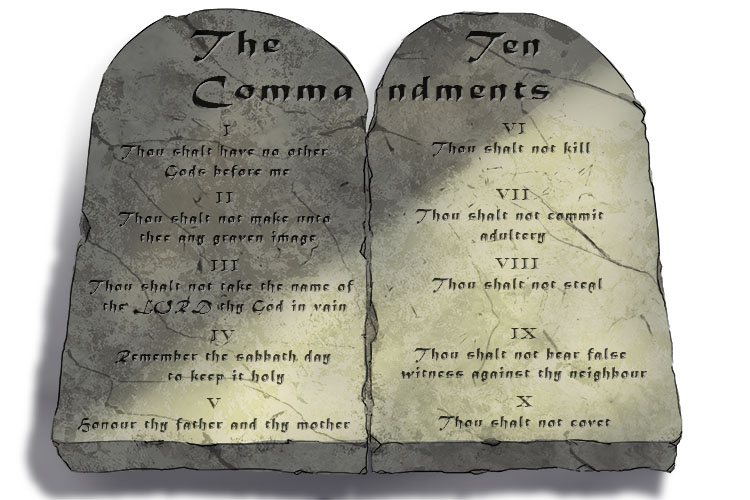
「いましめを守りなさい」との言葉に対して、若者は、「どのいましめですか」とたずねた。彼は、何かの儀式上の戒めであると思ったが、キリストは、シナイ山から与えられた戒めのことを言っておられたのである。彼は、十戒の第2枚目の板からの数か条をあげて、それをまとめて、「自分を愛するように、あなたの隣り人を愛せよ」とお命じになった。
(青年は十戒の戒めだとは最初思わなかったのですね、この部分も新たな気づきポイントです。それほど十戒以外にもラビやパリサイ人が作った戒めが多くあったことが想定されます。)
青年はちゅうちょすることなく、「それはみな守ってきました。ほかに何が足りないのでしょう」と答えた。彼の律法に関する考えは、外面的で表面的であった。彼は、人間的な標準から見れば、汚点のない品性を持っていた。彼の外面的生活は、大体において、罪の無いものであった。彼も自分の服従は、非のうちどころのないものであると信じていた。しかし、神と自分の魂との関係が、全く正しいものではないのではないかという、密かな恐れがあった。これが「ほかに何が足りないのでしょう」という質問を彼にさせた。
(彼にこの質問をさせた方こそ、聖霊様ではないでしょうか。彼自身も彼の病気の根本原因についてうっすらと気付いているのでした。実際、ここまで気付けるは少ない、といわれています。それほど聖霊様の働きは重要なのです。彼は今一歩、真の神に向かって踏み出しています。)
■■
今日はまずここまでにしたいと思います。何か昔からこの箇所は青年とイエスの会話がかみ合わないな、という違和感がずっとありましたが今日、それがすべて解決されました。
このようにみ言葉の1つ1つに明確な理解を与えてくださる主と証の文に心から感謝した時間でした。他の兄弟姉妹にも伝えたい!と思える内容でした。
Today's passage is a scene in which a young man who came to Jesus and Jesus have a concrete conversation about how to be saved. I would like to meditate deeply, though it is a little long, by quoting part of "The Real Lesson of Christ's Object Lessons written by Ellen G. White (Chapter 28: The Reward of Grace), which so vividly and brilliantly illustrates the psychological movement of a young man. () is my comment.
■■
As Jesus was walking along the road, a young official came running to him. He fell on his knees before him and reverently said,. "Good Teacher, what shall I do to receive eternal life?"
The official did not recognize Christ as the Son of God, but spoke to him as a reverent rabbi. The Savior said, "Why do you call me good? There is no one good but God alone". On what basis am I good? God alone is good. If you recognize me as such, you must receive me as the Son of God and the representative of God.
(I see! I think that's the part. He did not regard Jesus as God initially. The Ellen G. White's testimonial really goes into depth.)
"If you wish to enter into life, keep my commandments" added Jesus. The character of God is expressed in His commandments. And the principles of His commandments must be the source of all action if man is to be in harmony with God.
Christ does not soften in the least what the commandments require. He showed us in clear and unmistakable words that we must obey the commandments if we are to enter eternal life.
When he said, "Regarding keeping the commandments," the young man asked, "What commandments?". He thought they were some ceremonial commandments, but Christ was referring to the ten commandments given from Mount Sinai. He took some passages from the second tablets of the Ten Commandments, and summed them up, saying, "Love your neighbor as you love yourself."
(The young man didn't think it was the Ten Commandments at first. This part is another point to notice for me. It is assumed that there were many commandments made by rabbis and Pharisees (human) other than Ten commandments.)
The young man answered without hesitation, "I have followed them all. What else is missing?". His thoughts about the law were outward and superficial. He had an unblemished character by human standards. His outward life was, for the most part, blameless. He believed that his obedience was blameless. But he had a secret fear that the relationship between God and his soul was not quite right. This led him to ask, "What else am I missing?."
(Isn't it the Holy Spirit who made him ask this question? He himself was vaguely aware of the root cause of his illness. In fact, it is said that there are few people who pay this much attention. The work of the Holy Spirit is so important. He is now taking a step towards the true God.)
■■
That's all for today. I had always felt that the conversation between the young man and Jesus did not mesh well in this passage, but today it was all resolved.
It was a time when I was truly grateful for the Lord and the text of the testimony that gave me a clear understanding of each word. I want to tell today’s new discoveries to my other brothers and sisters!
~子供を祝福する The Little Children and Jesus [Matthew 19:10-12]~
前回の続きで、イエス様が独身主義についての話をしているところに、手を置いて祈っていただくために多くの両親が小さな子供たちを連れてイエス様のところにやってきました。

このように自分の子供をイエス様に触れさせて、少しでも多く恵みや癒しを施してもらいたいという親の気持ちは、同じ親としてとてもよく理解できます。この子だけは救ってほしい、そういう親心です。
以前もイエス様は子供を膝にのせて「天の国に入るにはこの幼子のようにならなければならない」とおっしゃっていましたが、弟子たちはイエスの前に子供たちを連れてくる両親たちを叱ったのです。私の教会でも子供たちはとても温かく歓迎されていますが、中には表には出さないものの、うるさい子供たちを敬遠している雰囲気の教会もあると思います。
何か、厳かな、神聖な場であるところに落ち着きのない、さわぐ子供たちが来るとその雰囲気が崩れ、牧師の説教にも集中できないからなのかもしれません。
しかしイエス様はそのような人の思いを超えており、弟子たちに「子供たちが来るのを妨げてはならない。」とはっきりおっしゃいました。そして1人1人の子供に手を置かれたのです。
このようにイエス様は1人1人の小さな存在を大切にされる方であることを、身をもって示されました。私たちは大人の都合、会社の都合、教会の都合、組織の都合、国の都合で弱者を搾取したり軽視・無視したりすることを時には妥協し、容認してしまうことがありますが、主はそのような態度を決してお持ちではありません。いつも一番弱く、小さな存在を気にかけておられます。このような主の態度に従うことの選択に戸惑うことは時々ありますが、その時こそ主の教えの原点、愛の原則に立ち返って考え、自分の考えを選択していきたいと改めて思いました。
When Jesus was talking about celibacy, many parents came to him with small children to lay their hands on him and pray.
As a parent, I can understand the desire of parents to let their children touch Jesus and receive as much grace and healing as possible. They want this child to be saved.
Before, Jesus put his children on his lap and said, "You must be like this little child to enter the kingdom of heaven." But His disciples scolded the parents for bringing their children before Him. In my church, children are very warmly welcomed, but I think that in some churches, there is an atmosphere that is hidden but avoids noisy children.
Maybe this is because when restless, touching children come to a solemn, sacred place, the atmosphere breaks down and adults can't concentrate on the preacher's sermon.
But Jesus went above and beyond the expectations of such a man and clearly said to his disciples, "You must not prevent the children from coming." He laid his hands on each child.
In this way, Jesus showed through his own experience that he values each and every small being. We sometimes compromise and accept exploiting, disrespecting, and ignoring the weak for the convenience of adults, companies, churches, organizations, and nations, but the Lord never has this attitude. He always cares about the weakest and smallest being. Sometimes I feel confused about choosing to follow the Lord's attitude, but at that time, I wanted to go back to the origin of His teachings, the principle of love, and make my own choices.
